Some rooms just feel good the moment you walk in. You know the ones—they’re warm, soft, inviting. You can instantly imagine curling up with a blanket, a book, or a friend. It’s not about perfection or expensive furniture; it’s about how the space makes you feel. And the best spaces? They feel like a hug.
Whether you’re decorating a bedroom, a living room, or even a tiny studio apartment, designing a space that feels nurturing and calm is totally within reach. It’s less about matching Pinterest trends and more about tuning into what actually makes you feel grounded and comfortable.
Let’s break down how to create a space that wraps you up in warmth the second you step inside.
Start with a Soothing Color Palette
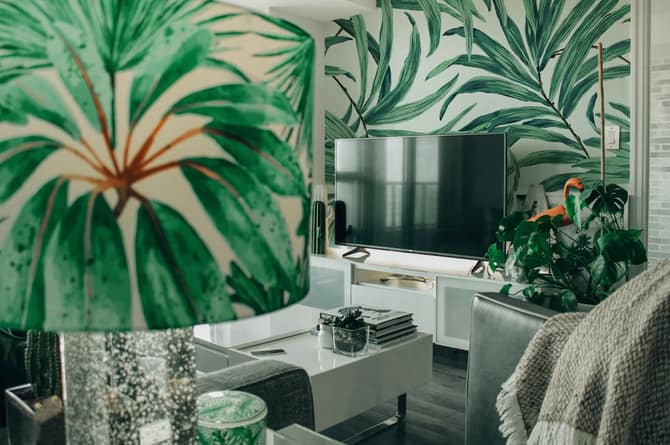
Color sets the emotional tone of a room faster than anything else. If you want your space to feel like a soft exhale, go for muted tones—think warm neutrals, earthy greens, dusky blues, or soft blush. Avoid overly bright or sterile colors, which can make a space feel harsh or overwhelming. You don’t have to repaint the whole room; even swapping out a few pillow covers or adding a cozy throw in calming hues can shift the vibe instantly.
Layer in Soft, Touchable Textures
Hug-like spaces are built on texture. The kind you want to run your hands over. Think chunky knit blankets, velvet cushions, soft cotton bedding, shaggy rugs, or worn-in leather chairs. The key is layering—mixing a few different textures makes a room feel rich and lived-in, like it’s been lovingly built over time. You want your space to invite you to sit, to sprawl, to stay a while.
Create Lighting That Glows, Not Glares

Overhead lighting has its place, but if it’s your only light source, your room might feel more like a dentist’s office than a cozy haven. What you want is glow, not glare. Use warm-toned bulbs, add table or floor lamps, and throw in a few candles or fairy lights for good measure. Soft, ambient lighting helps signal to your brain that it’s safe to slow down. Pro tip: Put your lamps on timers or smart plugs so they gently light up as the sun goes down—it’s a game-changer.
Make Space for What Calms You
A hug isn’t just about softness—it’s about safety and connection. So ask yourself: What makes you feel safe, seen, or soothed? Maybe it’s a reading nook with your favorite books nearby. Maybe it’s a record player and your vinyl collection. Maybe it’s a corner dedicated to journaling or meditation. The point is to design for emotional comfort, not just visual appeal. Your room should hold your personality, not just your furniture.
Don’t Aim for Perfect—Aim for Personal

Forget the showroom look. Rooms that feel like hugs aren’t sterile or overly styled. They have quirks, memories, and maybe even a bit of mess. Display the weird mug your best friend gave you. Hang art that makes you feel something. Keep the cozy socks in a basket by the couch. Perfection is cold. Personality is warm. Let your space be a little undone—because that’s often when it feels most like you.
At the end of the day, the coziest rooms aren’t always the most photogenic—they’re the most felt. They invite you to breathe deeper, relax your shoulders, and be exactly who you are. That’s what makes a space feel like a hug: it accepts you, comforts you, and reminds you that you’re safe here.